
A damaged tooth can make it hard to chew, talk, or smile with ease. A dental crown is a common way to fix and protect that tooth. At Hope Dental Professionals, Dr. Yamileth Pate brings exceptional skill and artistry to dental crown treatment in Bentonville, AR.
As an AACD-accredited dentist, she aims to create restorative treatments that look natural and function like your own teeth. Here, you can learn more about crowns, when you may need a crown, the procedure, and the main types of crowns available.

What is a Dental Crown?
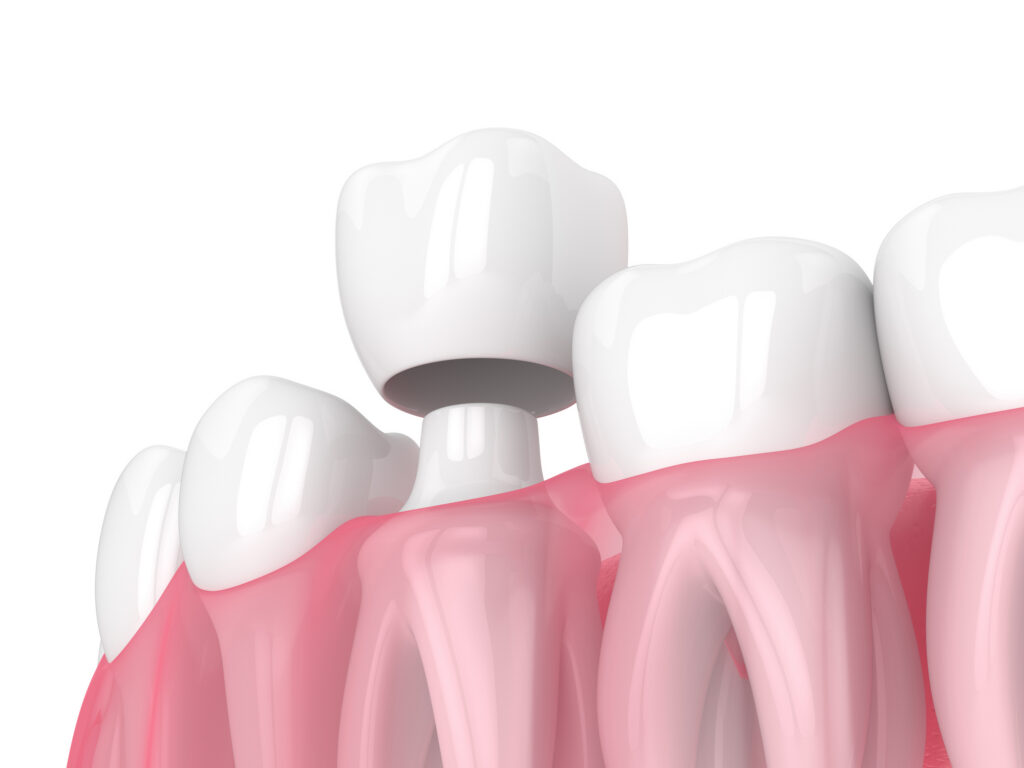
A dental crown is a custom “cap” that covers a tooth. It sits over the tooth and protects it on all sides. A crown helps a weak or broken tooth stay strong so it can handle biting and chewing again.
Our office uses tooth-colored crowns made to match your mouth. Once placed, a crown should feel like a natural tooth and be easy to care for with brushing, flossing, and regular dental visits.
Reasons for Needing a Dental Crown
Crowns are used when a tooth needs extra strength or protection. They can also be a good choice when you want a long-lasting solution that looks natural.
Common reasons a dentist may recommend a crown include:
- A cracked, broken, or badly worn tooth that needs support
- A tooth with a large filling that does not have enough natural tooth left
- Protection for a tooth after root canal treatment
- Severe decay that is too big for a filling
- Improving the look of a tooth that is discolored, misshapen, or uneven
- Holding a dental bridge in place or covering a dental implant
A key benefit of a crown is that it can help you avoid bigger problems later. A weak tooth can crack over time. It can also become painful to chew with.
Tooth crowns shield the tooth and spread out chewing pressure in a safer way. For many patients, this means better comfort, better function, and more confidence when they smile.
Dental crowns can also be part of a larger treatment plan. For example, if you are missing a tooth, an implant crown can replace it without affecting the teeth next to it. We can also support a traditional bridge with crowns that anchor it in place. Our dentist will explain all treatment options and help you choose what best fits your needs and budget.
Types of Crowns
There are several types of crowns. The best choice depends on where the tooth is in your mouth, how hard you bite, and what look you want.
Porcelain or ceramic crowns are tooth-colored and are often chosen for front teeth because they can look very natural. They are also a popular choice for patients who want a metal-free option.
Zirconia crowns are also tooth-colored and known for strength. They can be a great option for back teeth that do a lot of chewing. Zirconia can offer a strong fit and a natural look.
Porcelain-fused-to-metal (PFM) crowns have a metal base with a tooth-colored layer on top. They can be a strong option, and they blend in better than full metal crowns. In some cases, a thin dark line may show near the gum over time.
Gold or metal alloy crowns are very durable and can handle strong biting forces. They are often used on back teeth where strength matters most. However, they tend to wear down opposing teeth less than some other materials.
If same-day crowns are available for your case, your crown may be made in the office using digital scans and special milling equipment. This can reduce waiting time and may allow you to finish treatment in one visit.
What to Expect During the Dental Crown Process
Getting a crown is usually done in two visits, though some offices may offer same-day crowns in certain cases. Dr. Pate will explain which option is best for you based on your tooth, your bite, and the type of crown you need.
Exam and Consultation
During your first visit, Dr. Pate will examine your tooth and may take X-rays. This helps her check the root and the bone around the tooth. If you have decay or an old filling, she will remove any damaged areas.
You will be numbed so you stay comfortable. Dr. Pate’s gentle approach and commitment to patient comfort mean you will feel at ease throughout the process.
Tooth Preparation
Next, the tooth is shaped so the crown can fit over it. After shaping, Dr. Pate takes an impression (a mold or digital scan) of your tooth. This impression is used to create a crown that fits your bite and lines up well with the teeth around it. A temporary crown is placed to protect the tooth while the dental lab creates your final crown.
Final Crown
At the second visit, the temporary crown is removed. Dr. Pate checks the fit, the color, and the way your teeth come together when you bite. Small adjustments may be made so the crown feels smooth and natural. Then the crown is cemented into place.
After your crown is placed, you should be able to chew comfortably again. You may feel mild soreness for a short time, but most patients return to normal activities right away. With good home care and routine checkups, a crown can last for many years.